Building Materials 101: A Beginner's Guide to Choosing Construction Products
A gentle introduction to common building material products—what they are, how to compare them, and why sustainability matters.
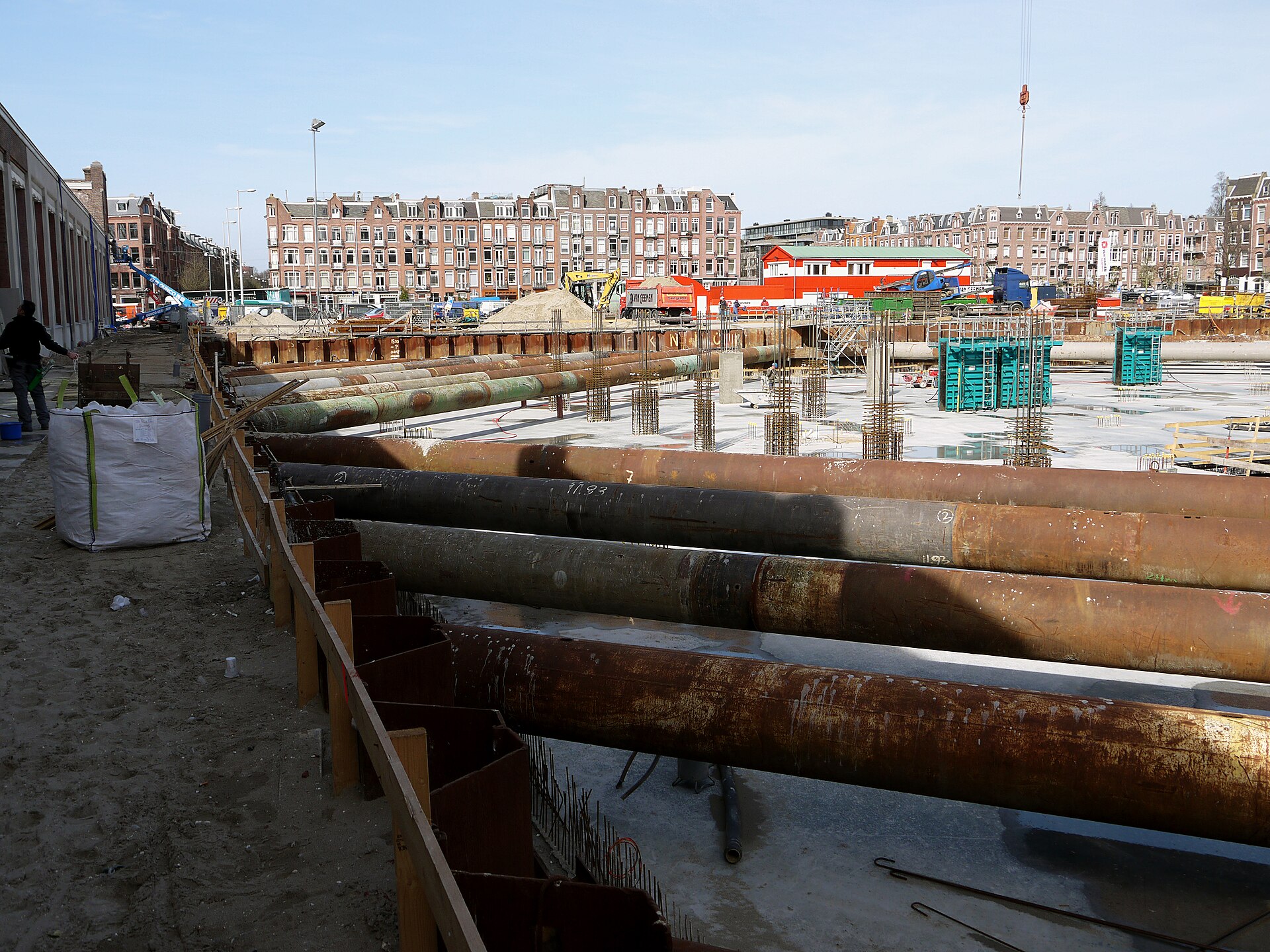
Cover: Own work · Wikimedia Commons · CC0
Question: What are the most common building material products and how can a beginner decide among them?
First, sort materials by the job they do
A building material is any substance used in construction, from foundation to roof. Some are structural: they carry the building's weight, such as concrete, steel, masonry and timber. Others are finishes: plaster, paint, tiles, cladding and roof coverings protect surfaces and create the look. Many materials can do both, like exposed brick or polished concrete.
Meet the common material families
Wood is a natural, renewable material used for framing, flooring and finishes; it is easy to work with and has good insulation values. Concrete is a composite of cement, water and aggregate, often reinforced with steel to add tensile strength. Brick and stone are durable masonry materials with a long history of use in walls and foundations. Steel provides strength with less weight than stone or concrete, making it useful for frames and large spans. Glass is used for windows and facades, letting in daylight while separating indoor and outdoor spaces. Plastics and composites appear in pipes, insulation, sealants and cladding, and gypsum board is the common drywall material for interior walls.
How to compare options as a beginner
Start with the job: will the product carry loads, fill spaces, or protect surfaces? Then think about climate and location. High-moisture areas require water-resistant materials; earthquake and wind zones need structures that can move or flex safely. Ask about maintenance too—some materials need regular painting, sealing, or cleaning. Finally, consider supply: locally available materials often cost less and are easier to repair. Building codes set legal minimums for safety and can rule out certain products for certain jobs.
Why sustainability is part of the choice
Every material uses energy and resources to make and move. Durable products last longer and reduce replacement. Recycled, reclaimed, and rapidly renewable materials can lower a project's footprint. Choosing materials from nearby suppliers can reduce transport emissions. A whole-life view includes extraction, manufacturing, installation, maintenance and eventual reuse or disposal. A 'green' material in one project may not be the best in another.
Where to learn more
Look for illustrated guides in public libraries, browse building-supply yards, and ask suppliers about typical uses. For background reading, the reference links below point to general articles about building materials, construction and green building. For projects, always check local building codes and work with qualified professionals where required.