When you're working with structural timber, fastener length affects how the screw seats in the member, and box count affects whether you can finish a run without reordering. Sandbaggy's two countersunk hex head structural timber screw packs put those two variables in conflict: the 10-inch pack is listed at USD 176.60 and the 4-inch pack is listed at USD 196.31. Both use steel, both are new, and both have a sharp point, aggressive coarse threads, a tapered head for countersinking, and a 5/16-inch hex drive. So the difference you feel on the job will come from length and pack quantity.
Quick verdict: If your project centers on thick structural members and you're willing to trade quantity for reach, the 10-inch pack is the clear pick. If your job is a larger number of 4-inch connections and you want a bigger box, the 4-inch pack is the practical choice. The two products share a drive style and countersinking head, so the real consideration is length versus count.
Here's the list-price and pack-size comparison:
| Product | Listed Price | Price Bar | Length | Pack Count | Best Use |
|---|---|---|---|---|---|
| 10-Inch Structural Timber Screws (Sandbaggy) | USD 176.60 | 10 in | 200 | Deep framing connections, rafters, headers, stringers | |
| 4-Inch Structural Timber Screws (Sandbaggy) | USD 196.31 | 4 in | 1000 | High-volume 4-in connections, deck/frame assemblies |
What this means on the job: The real difference is about how you're using the fastener. The 10-inch screw is built to reach through thicker or stacked framing members, so it's the one you'd associate with securing headers, rafters, and stair stringers. The 4-inch screw is a volume play: you get many more fasteners per box, which suits a project with a large number of shallower connections. Both rely on the same countersunk hex head design with a sharp point and coarse threads, so the decision isn't about head style-it's about depth versus count.
Where each product wins:
- 10-Inch Structural Timber Screws (Sandbaggy) win for deeper assemblies-the kind of work you'd associate with rafters, headers, and stair stringers, where a longer screw gives more holding bite.
- 4-Inch Structural Timber Screws (Sandbaggy) win for throughput. The 1000-count box is the larger of the two packs, so it's geared toward jobs with many shorter fastening points rather than a handful of deep ones.
10-Inch Structural Timber Screws (Sandbaggy)
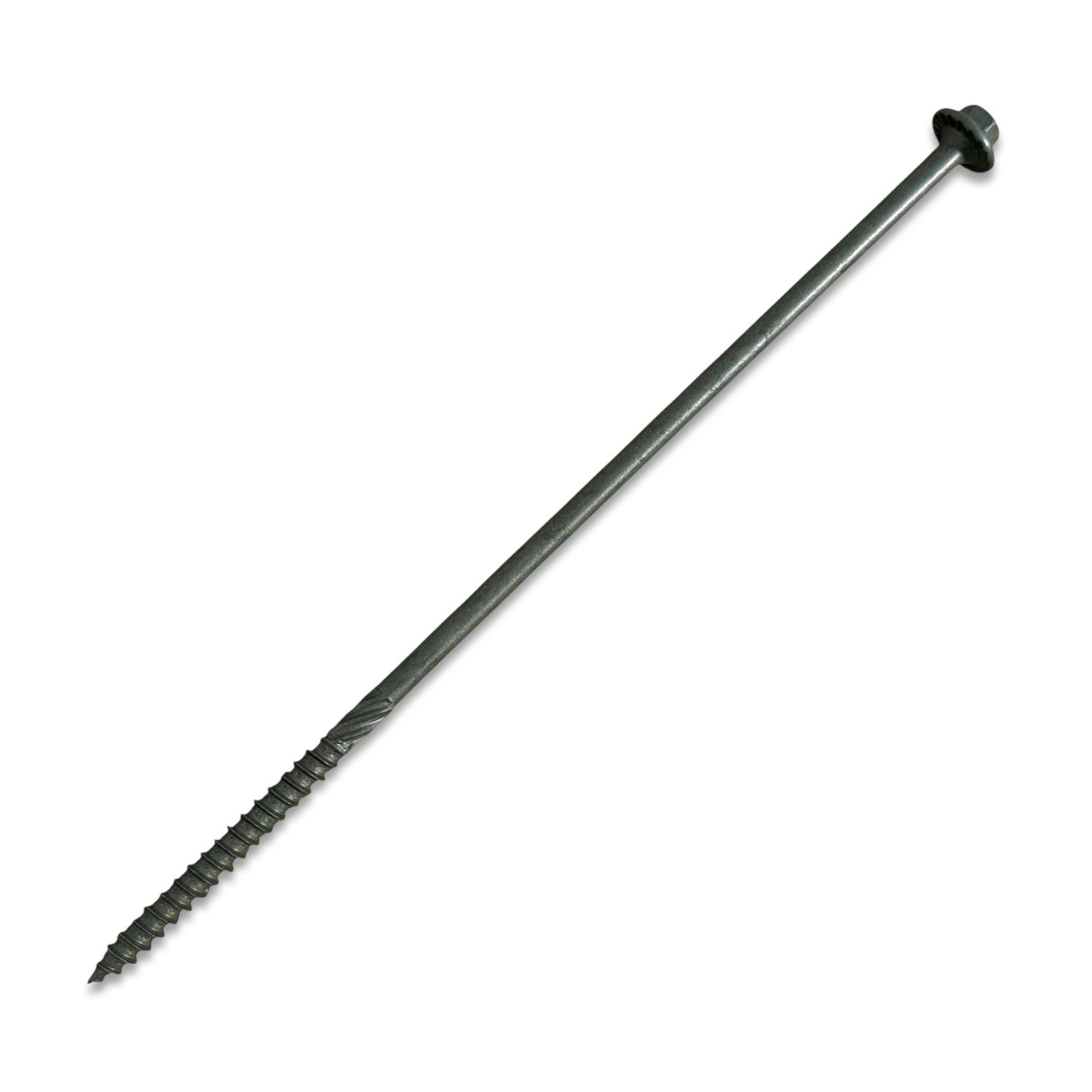
The 10-inch screw is the reach play in this head-to-head. Its listed length makes it a fit for securing thicker framing members like rafters, trusses, headers, and stair stringers, and the coarse-thread design is meant to grip dense wood while the hex head drives with a 5/16-inch bit. The pack holds 200 screws, which is the concrete limitation: if your project is large and every connection is deep, you'll be counting boxes rather than counting individual fasteners. It's a purpose-driven buy for jobs where a shorter screw won't seat the same way. If the extra 10-inch reach is what your assembly needs, this is the one.
4-Inch Structural Timber Screws (Sandbaggy)
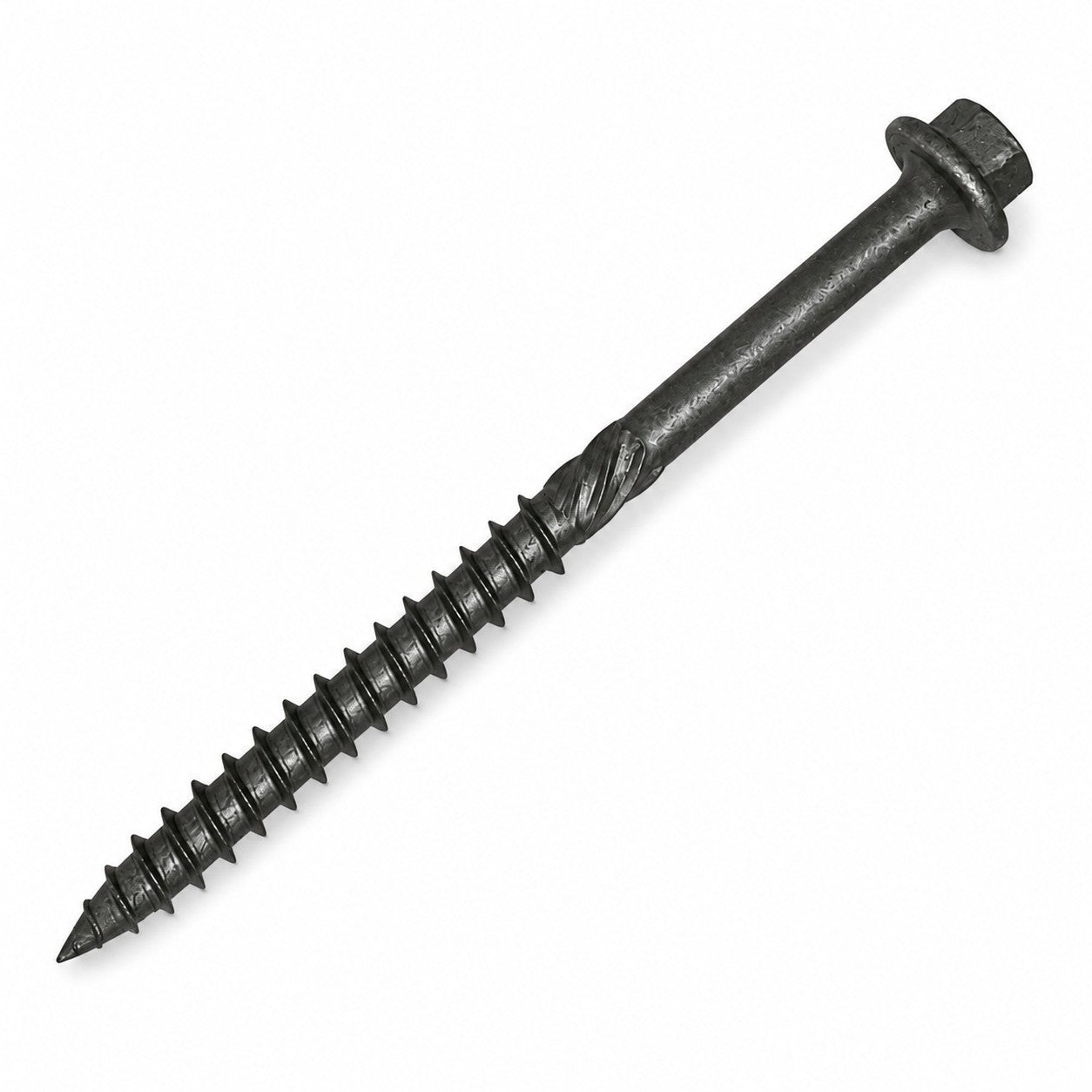
The 4-inch screw flips the trade-off. The box holds 1000 screws, so for a job with many 4-inch connections-decking, roofing, or framing details that don't require a longer fastener-you're less likely to run out mid-task. It shares the same countersunk hex head geometry and coarse threads, so you're not giving up the drive style. The limitation is the length itself: at 4 inches, this pack won't help when your material stack-up is thicker than that. It's a volume purchase for shallower structural connections, not a substitute for the 10-inch screw.
Final choice by use case:
- Deep structural connections in thick framing: the 10-Inch Structural Timber Screws (Sandbaggy) pack.
- High-volume 4-Inch fastening in decking, roofing, or framing: the 4-Inch Structural Timber Screws (Sandbaggy) pack.