Walking into an insulation project, the first question isn't which material is better-it's which part of your home you're trying to protect. If you're looking at an attic that radiates heat all summer, a radiant barrier works across a huge surface area. If you're worried about an exposed pipe freezing, a foam sleeve solves that problem in minutes. The real difference: the radiant barrier covers 2,000 square feet, while the pipe insulation covers one 6-foot run.
Quick verdict
Go with the radiant barrier at $214.88 if you're insulating a full attic or retrofitting existing insulation. Choose the foam pipe insulation at $6.17 if you need to protect a copper pipe or stop condensation on a line. Match the product to the space, not the other way around.
Comparison table
| Product | Price | Coverage | Best for |
|---|---|---|---|
| 2000 sq ft Radiant Barrier Attic Double-Sided Aluminum Perforated Foil INSULATION | $214.88 | 2 rolls of 4 ft x 250 ft | Entire attic or existing insulation retrofit |
| 1 in. x 6 ft. Foam Pipe Insulation | $6.17 | 6 ft single sleeve | Freeze protection on one pipe |
Where each wins
Where the radiant barrier wins: If your project is measured in square feet rather than inches, this is the only one of the two that can cover a whole attic. The aluminum construction reflects radiant heat no matter the season, and the foil can lay over existing insulation during a retrofit. It's clean, lightweight, and easy to install, and it can be stapled to the underside of roof rafters. The ASTM E84 and E2599 fire-code listing adds peace of mind for an attic application.
Where the pipe insulation wins: If you're dealing with a single exposed pipe, a large attic roll is overkill. This foam sleeve is fire-rated, self-sealing, and sized for 1 in. copper pipe. With an R-value of 2.9, it's a straightforward, low-cost fix for that pipe, and it can also reduce condensation in summer.
Closer look
2000 sqft Radiant Barrier Attic Double-Sided Aluminum Perforated Foil INSULATION
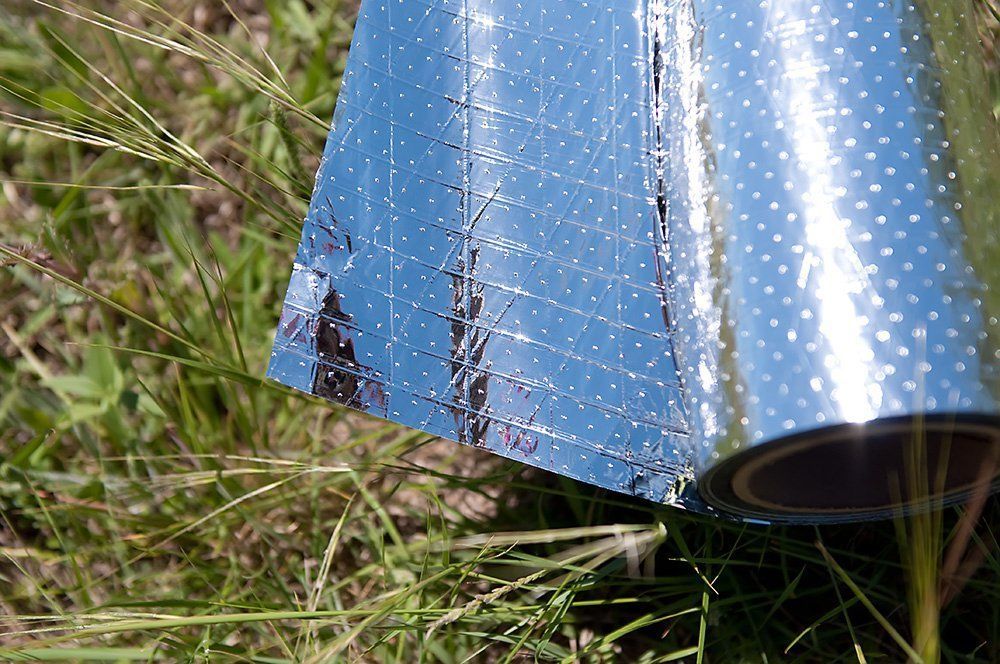
Start with the scale: this package is built for whole-attic jobs, not spot fixes. The double-sided aluminum polyester film with a scrim inside is designed to reflect radiant heat in summer and winter. It's also clean, lightweight, and easy to install, which matters when you're handling long runs. What holds it back is the width: this radiant barrier is only offered in the perforated version, so you're committing to that style of installation. If you're patching a small gap or wrapping a pipe, this is far more material than you need. Choose it when the job is genuinely the whole attic, not a trim-the-edges project.
1 in. x 6 ft. Foam Pipe Insulation
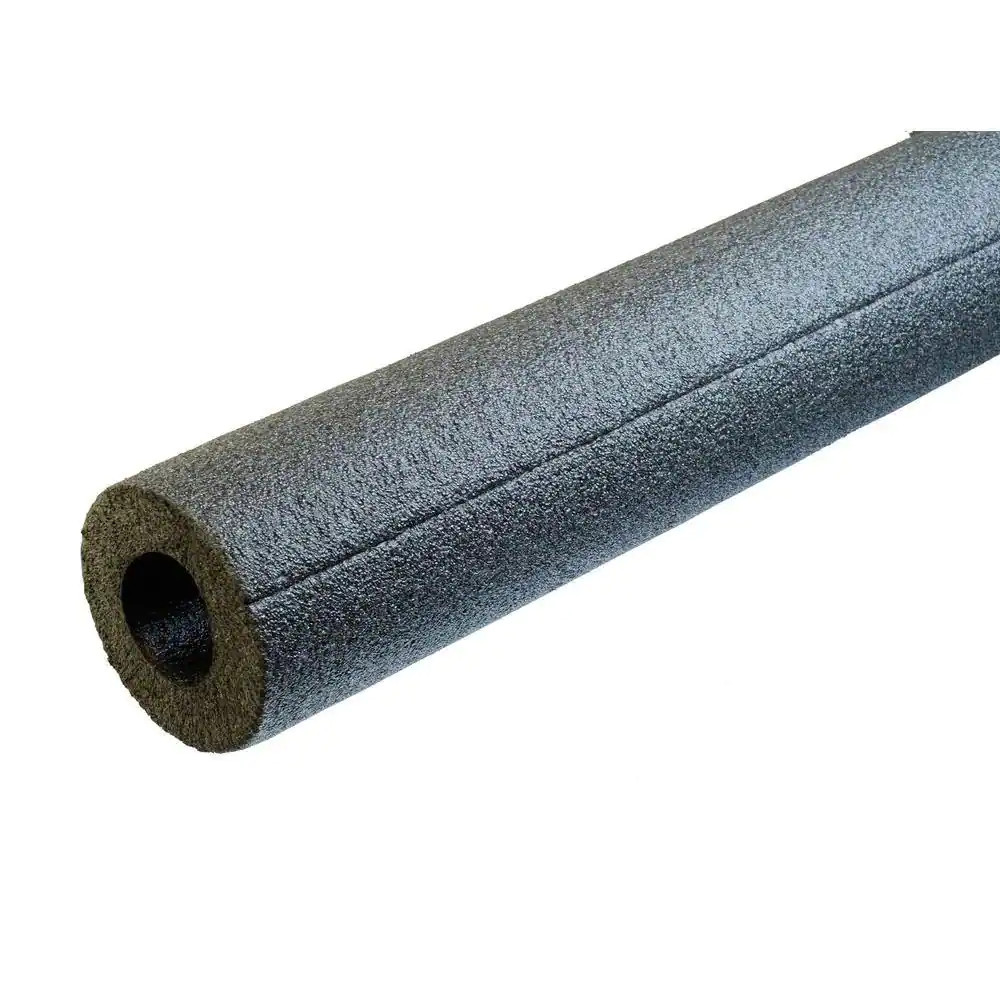
This sleeve is the opposite of blanket coverage: it's made to go around one pipe. The foam is fire-rated and self-sealing, so once it's in place it holds itself closed. With an R-value of 2.9, it's a practical way to keep a pipe from freezing in winter. The limitation is the scope. One piece is enough for a short exposed run, but a full plumbing system will need multiple sleeves, and this product is built for a pipe, not a ceiling plane. For a targeted fix, it's the one to grab; for whole-room insulation, you'd be piecing together too many pieces.
Final choice by use case
Choose the radiant barrier when you're covering an attic or lining the underside of rafters. Choose the foam pipe insulation when you're protecting a pipe or dealing with condensation. If the job is a full attic, the radiant barrier is the proportional match. If the job is a pipe, the foam sleeve is the proportional match. There's no wrong material-just the wrong scale.