Choosing between two 2x4 project panels comes down to how much weather resistance and structural heft you need versus how light and clean you want the face. One panel is a pressure-treated pine board meant for projects that may face moisture; the other is a poplar plywood panel designed for interior work. Both fit the same 2x4 footprint, but their listed prices, thicknesses, and durability targets put them in different corners of the workshop.
Quick verdict
If you're building a planter, outdoor utility shelf, or repair piece that could get wet, the 3/4-in pressure-treated pine panel is the stronger pick. If you want a lighter panel with a decorative poplar face and a lower listed price for indoor furniture, craft work, or shelving, the 1/4-in PureBond poplar panel is the more practical choice.
Comparison at a glance
| Attribute | 3/4-in Pressure-Treated Pine | 1/4-in PureBond Poplar |
|---|---|---|
| Listed price | USD 35.52 | USD 25.89 |
| Actual thickness | 0.75 in | 0.203 in |
| Actual dimensions | 47.75 x 24 in | 48 x 24 in |
| Exposure durability | Exposure 1 | Interior |
| Construction | Pressure-treated pine plywood | 3-ply poplar plywood with decorative face veneer |
| Best suited for | Moisture-resistant utility builds | Indoor furniture and craft panels |
Where each panel stands out
The pressure-treated pine gives you more substance and weather resistance. It's treated to resist decay, and the Exposure 1 rating matches above-ground outdoor or utility work. The poplar panel is easier to handle for lighter-duty indoor tasks. The face-side poplar veneer is meant to be seen, and the soy-based adhesive is designed for interior environments where air quality matters to you.
Product notes
3/4 in. x 2 ft. x 4 ft. Pressure-Treated Pine Plywood Project Panel
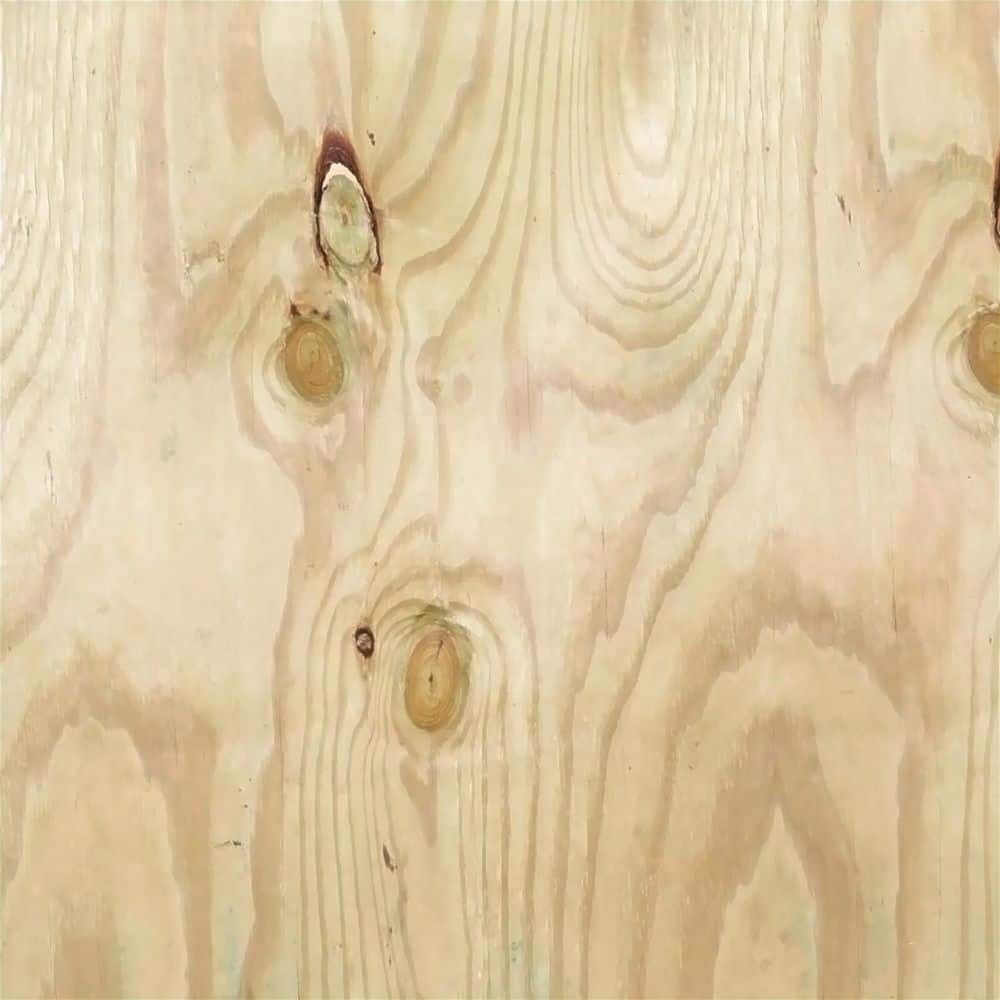
This panel is the heavier, more rugged option in the matchup. The pressure-treated construction is meant to resist rot, decay, and insect damage when used in appropriate above-ground outdoor or utility projects. It weighs about 23 lbs, so you'll want a stable work surface. The actual length is 47.75 in, not a full 48, which matters for tight cuts. If your project will face moisture or needs a more substantial core, this is the panel to reach for.
1/4 in. x 2 ft. x 4 ft. PureBond Poplar Plywood Project Panel
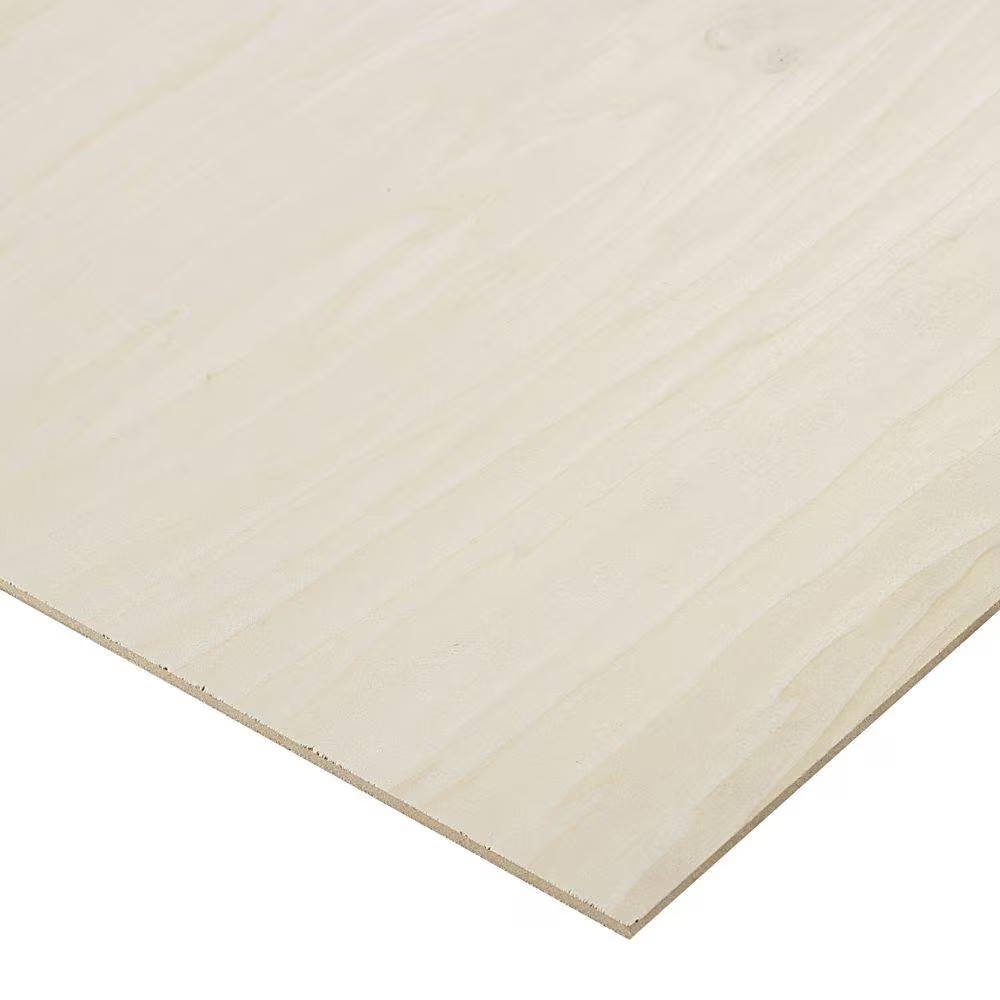
This is the lighter, thinner panel of the pair. It's a 3-ply poplar plywood with a decorative poplar veneer on the face side, and the back is not intended to be exposed. The interior-only rating makes it a fit for indoor furniture, shelving, craft panels, and other projects that stay dry. The soy-based adhesive is a natural alternative to urea formaldehyde panels, which may degrade air quality over time. Since the decorative face is only on one side, plan your cuts so the finished side faces outward. The 48-in actual length is slightly longer than the pressure-treated panel's 47.75 in, giving you a small bit of extra material for trim or layout.
Final choice by use case
If you need a panel for planter boxes, utility storage, or weather-exposed repairs, choose the pressure-treated pine. It carries a listed price of USD 35.52, or USD 9.63 more than the poplar panel, but the exposure durability suits those conditions. If you're working on indoor furniture, craft panels, shelving, or another project that stays dry, choose the PureBond poplar panel at USD 25.89 and get the lighter interior-oriented panel.