If you're choosing between two 2-ft x 4-ft project panels, the main fork is between a thick pressure-treated pine panel with weather resistance and a thin poplar panel with a different indoor material story. Both are new project panels, but the way they handle moisture, thickness, and finish is where the real difference shows.
Quick verdict
The pressure-treated pine panel is the better call when your build might face weather, moisture, or rough shop use and you want a thick panel. The PureBond poplar panel is the better call for interior projects where you want a thin panel with a hardwood-faced construction. The exposure rating is the fastest separator: the pine panel is suited to outdoor or utility projects, while the poplar is rated for interior use.
Comparison table
| Attribute | Pressure-Treated Pine | PureBond Poplar |
|---|---|---|
| Listed price | USD 35.52 | USD 26.33 |
| Price bar | ||
| Nominal size | 3/4 in x 2 ft x 4 ft | 1/4 in x 2 ft x 4 ft |
| Actual thickness | 0.75 in | 0.203 in |
| Actual length | 47.75 in | 48.00 in |
| Exposure rating | Exposure 1 | Interior |
| Condition | New | New |
The actual length difference also matters for precise layouts: the pine panel measures 47.75 in, while the poplar panel measures 48.00 in. If you need the full nominal 4-ft length, the poplar panel is the closer match.
Where each panel wins
The pressure-treated pine wins when weather, moisture, and a thicker panel are your priorities. Its decay- and insect-resistant treatment makes it the pick for outdoor or utility projects, and its 23-lb weight confirms it is a substantial sheet.
The PureBond poplar wins when you want a thinner panel with an indoor-friendly profile. It gives you a cleaner indoor material story with poplar veneers, and it is best kept inside.
A good way to use this comparison is to match the panel to a specific job. If the panel will live outside, the pine panel has the weather resistance; if it will live inside, the poplar panel offers a hardwood face and a thinner profile.
Product notes
Pressure-Treated Pine 3/4-in Project Panel
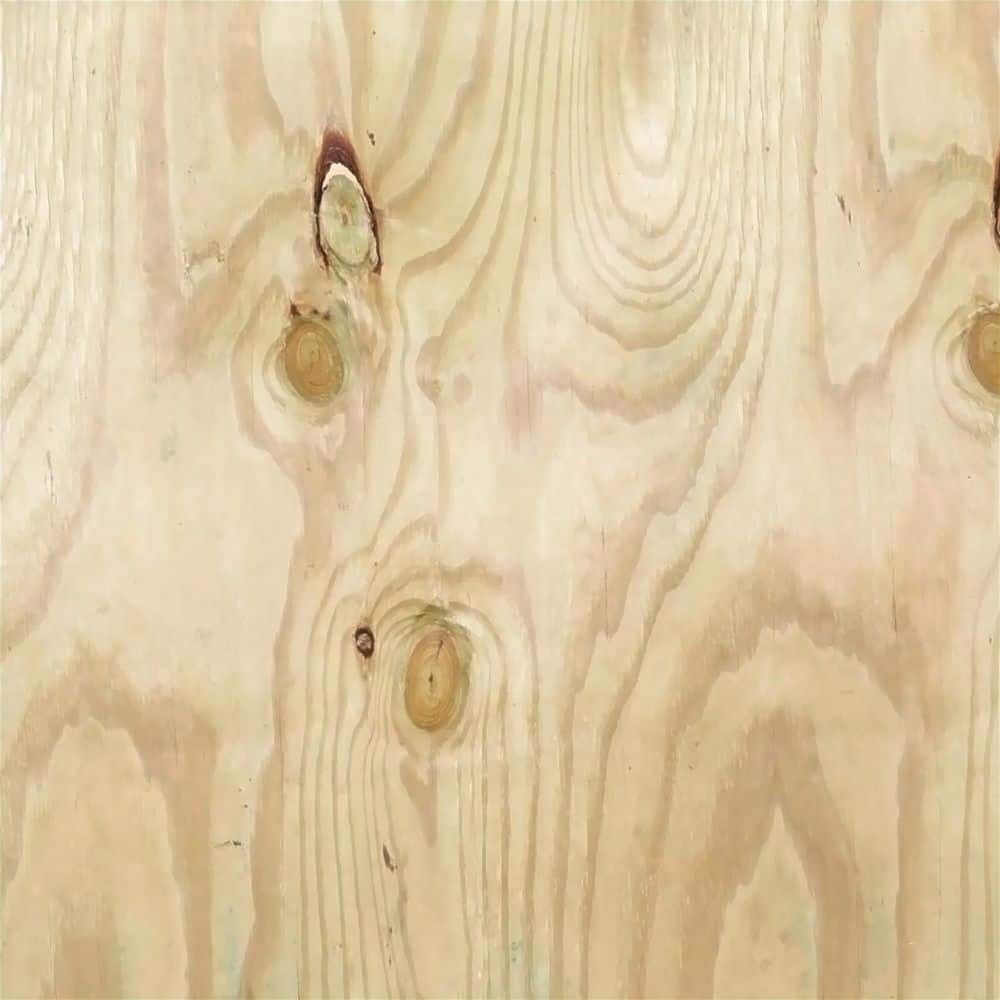
Weather-facing projects are where the pressure-treated pine panel earns its place. It is the thicker project panel in this pairing, treated to resist decay, insects, and harsh weather, and it carries an Exposure 1 rating that supports moisture-resistant projects. It weighs about 23 lb, so it is substantial to carry, and it falls about a quarter-inch short of a full 4-ft length, which can matter for exact cuts. The 24-in width gives you a useful working surface for outdoor fixtures, planter boxes, and workshop builds, while the thicker build is the main draw when you need a panel that will hold up to weather.
PureBond Poplar 1/4-in Project Panel
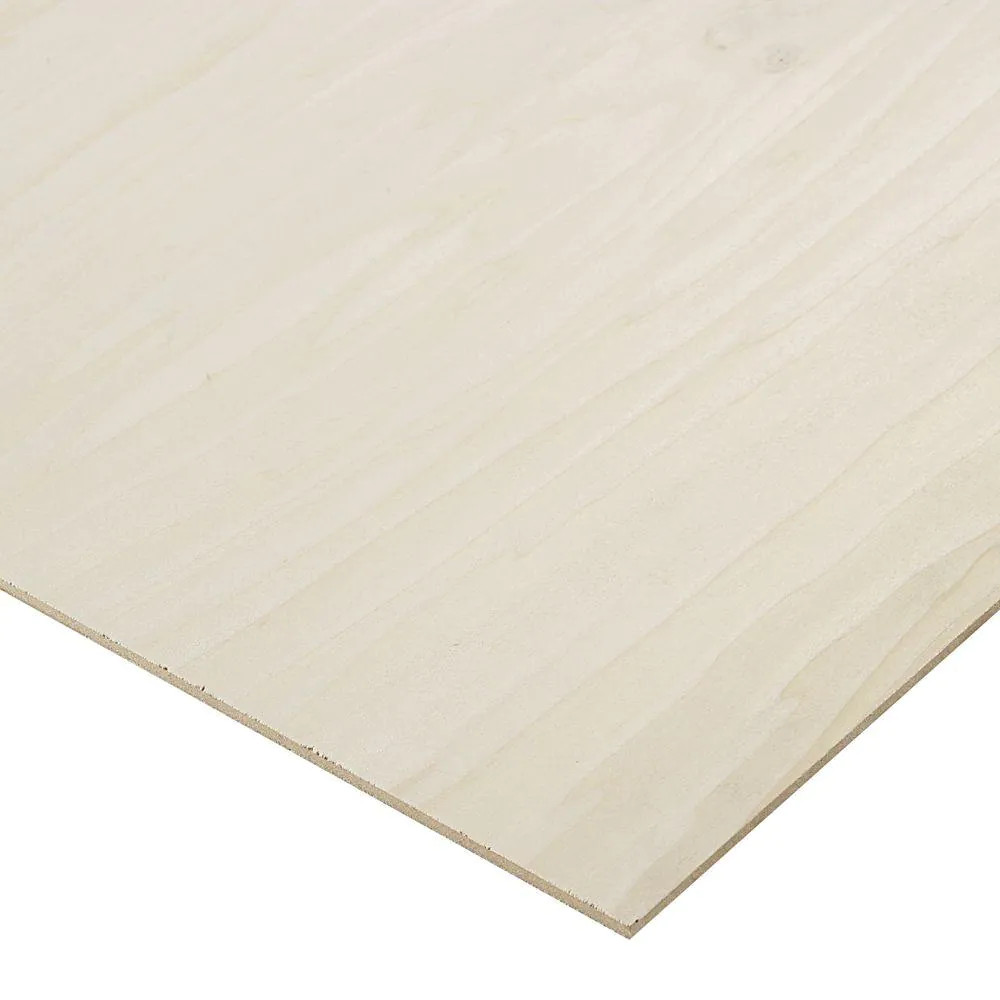
Indoor work is where the PureBond poplar panel makes its case. It lists for USD 26.33, about $9 less than the pressure-treated pine, and its actual thickness of 0.203 in tells you this is a thin, easy-to-fit sheet. Poplar veneers on the face and back give it a hardwood look, and the soy-based PureBond technology is described as formaldehyde-free, which is a useful detail for interior air quality. The Interior exposure rating means it is not the choice for weather-facing work. This is the panel for indoor carpentry where you want a hardwood face without the bulk of a thicker sheet.
Final choice by use case
For weather, moisture, and utility projects, the pressure-treated pine panel is the right call because of its thicker build and weather-resistant treatment. For interior projects that benefit from poplar veneers and formaldehyde-free construction, the PureBond poplar panel is the right call. The comparison table lays out the price and sizing details, so the final decision comes down to where the panel will live and how much thickness you need.