When you're adding a radiant barrier to an attic, garage door, or crawlspace, the first decision is usually coverage size. Do you need a short, flexible roll for one section, or a large roll that spans the whole attic? This head-to-head looks at two very different approaches: a reflective bubble roll and a residential attic-grade radiant barrier. The bigger difference is how much space each roll covers and how the material feels to work with.
Quick verdict
If your project is small, the Reflective Foil Insulation Bubble Roll is listed at USD 27.76. If you're insulating an entire attic, the Radiant Barrier CLASSIC Foil Insulation is listed at USD 54.88.
Side-by-side comparison
| Product | Listed price | Price bar | What stands out |
|---|---|---|---|
| Reflective Bubble Roll | USD 27.76 | Bubble-cushioned core between reflective aluminum film; Class 1/Class A fire rating in the description | |
| Radiant Barrier CLASSIC | USD 54.88 | Scrim-reinforced foil that reflects 95% of radiant heat per the description |
Where each roll wins
- The Reflective Foil Insulation Bubble Roll wins on price and portability. It is the lower-priced roll and its shorter length is easier to carry into a tight attic. The description says it is lightweight and easy to cut with scissors or a utility knife.
- The Radiant Barrier CLASSIC wins on coverage. One roll can cover a much larger attic area, and the two-sided reflecting metallized film gives you reflective performance on both faces.
- If you want an easy-to-staple material, the bubble roll description says it holds staples without tearing. The CLASSIC description does not mention stapling behavior, so it may be less of a differentiator.
Product notes
Reflective Foil Insulation Bubble Roll
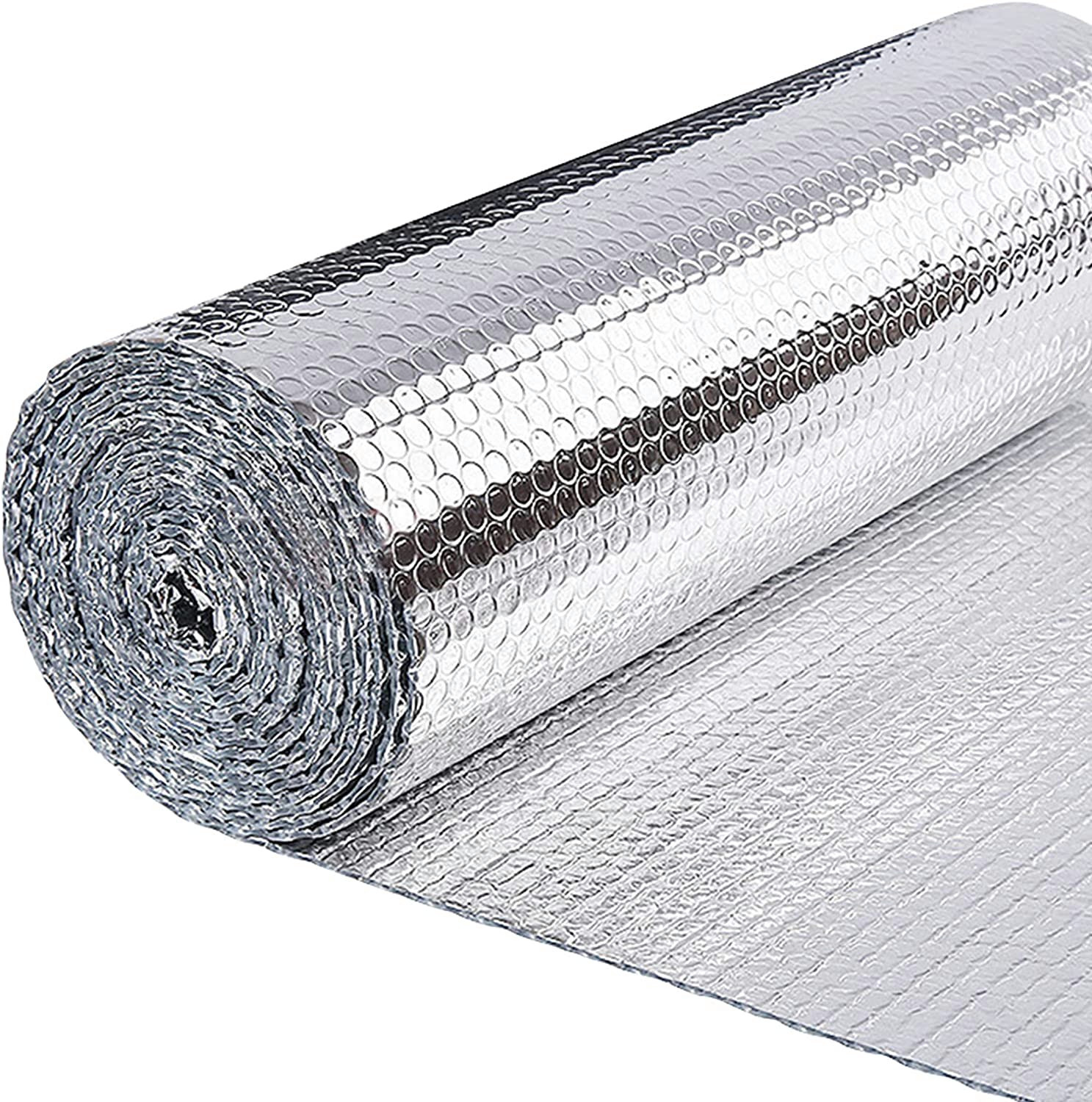
You would choose this roll when you need a manageable piece for a small project. It costs less than the CLASSIC roll, and the 48-inch width gives you a wide sheet to work with. The description highlights a layer of polyethylene air bubbles sandwiched between two layers of reflective metalized aluminum film, which helps it resist compression. It is also described as non-toxic and fiber-free, so it does not require protective clothing or a respirator to install. A limitation is the length: only 10 feet means roughly 40 square feet per roll, so a full attic would require multiple rolls. Also, it is a bubble roll rather than a flat foil, so it adds slight thickness.
Radiant Barrier CLASSIC
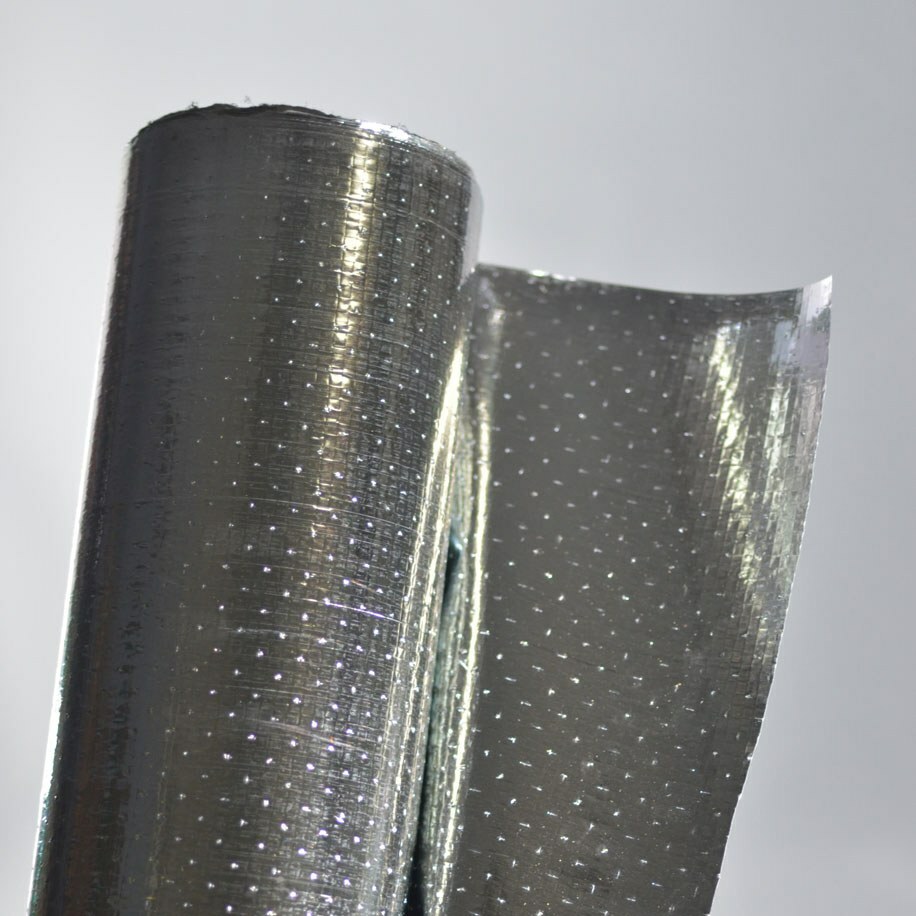
You would choose this roll when the project is about square footage. You get a 4-foot by 62.5-foot roll that covers 250 square feet, which is more than six times the coverage of the 10-foot bubble roll. The description says it reflects 95 percent of radiant heat and meets ASTM E84 and E2599 fire code, making it a clean, lightweight option for residential retrofits. The polyester scrim reinforcement gives the film more tear resistance during handling. A limitation is that you are paying more upfront, and the material is flat foil, so it does not have the bubble-cushion layer of the other roll. If you only need a small section, the bigger roll may be more than you need.
Final choice by use case
For a small DIY patch, a heating duct, or a one-section garage door, the Reflective Foil Insulation Bubble Roll gives you a wide, easy-to-cut sheet at the lower listed price. For a whole attic or a large retrofit, the Radiant Barrier CLASSIC is the coverage-focused buy: one roll handles a full attic and is reinforced with scrim, which suits a full-day insulation project. Keep the coverage difference in mind when you choose: a short roll for smaller jobs and a full-size roll for whole-attic work.