When you're shopping for insulation in the drywall and ceiling systems category, the first question isn't which brand to pick, it's which shape of insulation matches the job. A wide reflective roll and a foam pipe sleeve serve completely different purposes. This head-to-head compares the US Energy Products Reflective Foil Insulation Bubble Roll 48 inch wide Heavy Duty 10FT with the Everbilt 1 in. x 6 ft. Foam Pipe Insulation to help you decide which one belongs in your cart.
Quick Verdict
If you need to block radiant heat across a large surface-think attic, ceiling, or ductwork-the reflective foil bubble roll is the one to choose. If you need to wrap pipes to prevent freezing and condensation, the self-sealing foam pipe insulation is the right pick and the lower-priced option at $6.17 compared to $27.76 for the roll.
At a Glance
| Product | Price | Size | Use For | Fire Rating |
|---|---|---|---|---|
| Reflective Foil Insulation Bubble Roll Reflectix 48 inch wide Heavy Duty 10FT | $27.76 | 48 in. wide x 10 ft. | Large flat surfaces | Class 1 / Class A |
| 1 in. x 6 ft. Foam Pipe Insulation | $6.17 | 1 in. thick x 6 ft. | Insulating 1 in. copper and 3/4 in. iron pipes | 25/50 |
Where Each Product Wins
The reflective foil roll wins when you are covering broad areas such as ceilings, attic hatches, or duct surfaces. It reflects 97% of radiant heat and emits less than 3% of heat, making it a strong barrier in hot environments.
The foam pipe insulation wins when you need a snug fit around pipes. Its self-sealing design and R-value of 2.9 help prevent freezing in winter and condensation in summer.
If both jobs are on your to-do list, you may need both products. The choice is about the shape of the surface, not the brand.
The Products
Reflective Foil Insulation Bubble Roll Reflectix 48 inch wide Heavy Duty 10FT
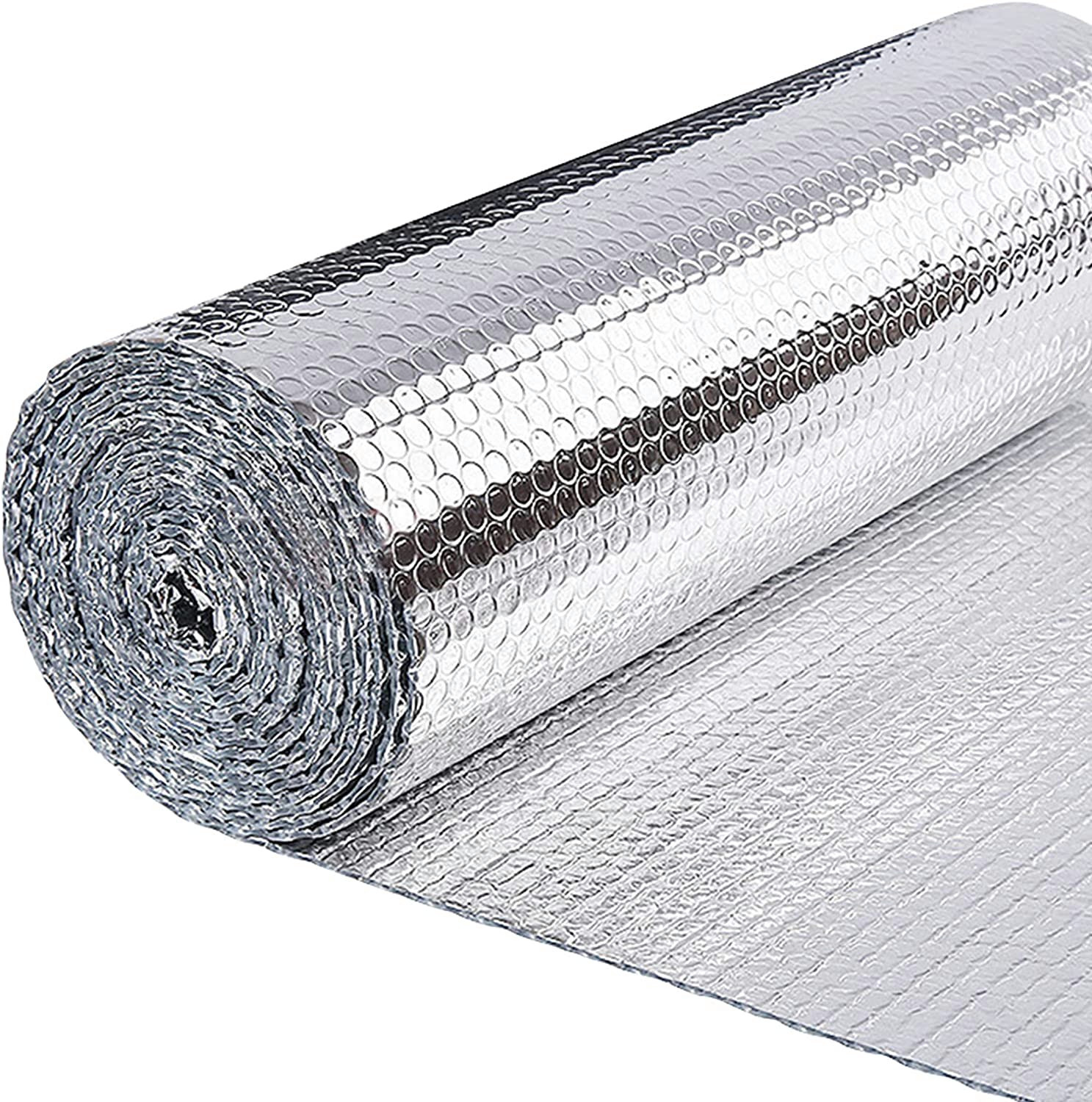
This roll is a radiant barrier, not a pipe wrap. It is made with a layer of polyethylene air bubbles between two reflective metalized aluminum polyester films, and it reflects 97% of radiant heat while emitting less than 3% of heat. The material is lightweight and durable, designed to hold staples without tearing, and it cuts easily with a utility knife or scissors. Since it is not affected by moisture or humidity, it can work in damp spaces where other insulation might fail. It does not compress, collapse, or disintegrate, and it is fiber-free, so installation is mess-free. The main limitation is that it is meant for large, open surfaces; it will not conform to the curves of a pipe. If your project involves a ceiling or a wide panel, this roll can cover a lot of ground quickly.
1 in. x 6 ft. Foam Pipe Insulation
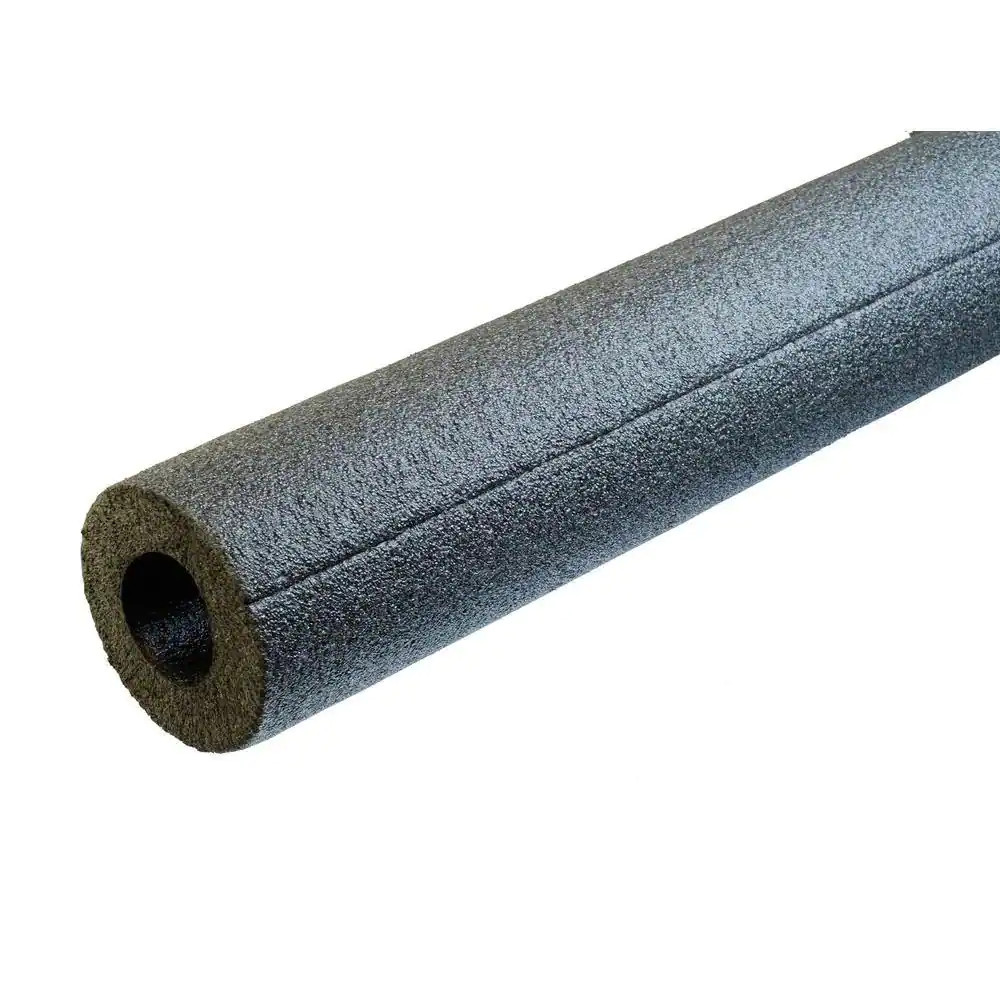
This foam sleeve is engineered for pipe protection. It fits 1-inch copper and 3/4-inch iron pipe, and its self-sealing feature makes installation straightforward without extra tape. The R-value of 2.9 helps keep pipes warmer in freezing weather and reduces condensation during humid months. The 25/50 fire rating adds safety in enclosed spaces. It is a lightweight, easy-to-handle option that can be cut to fit the exact length of your run. The limitation is that it is a pipe insulation only, not a blanket for flat surfaces. If you need to insulate a ceiling or wall, this foam tube will not cover the area. For pipe runs, however, it is a precise and practical choice.
Final Choice by Use Case
- If you are insulating a ceiling, attic hatch, or large duct surface, choose the Reflective Foil Insulation Bubble Roll. It gives you wide coverage and radiant heat reflection.
- If you are winterizing exposed pipes, choose the Everbilt Foam Pipe Insulation. It self-seals and helps prevent freezing and condensation.
- If your project includes both a large surface and pipe runs, you may need both-one is not a substitute for the other.